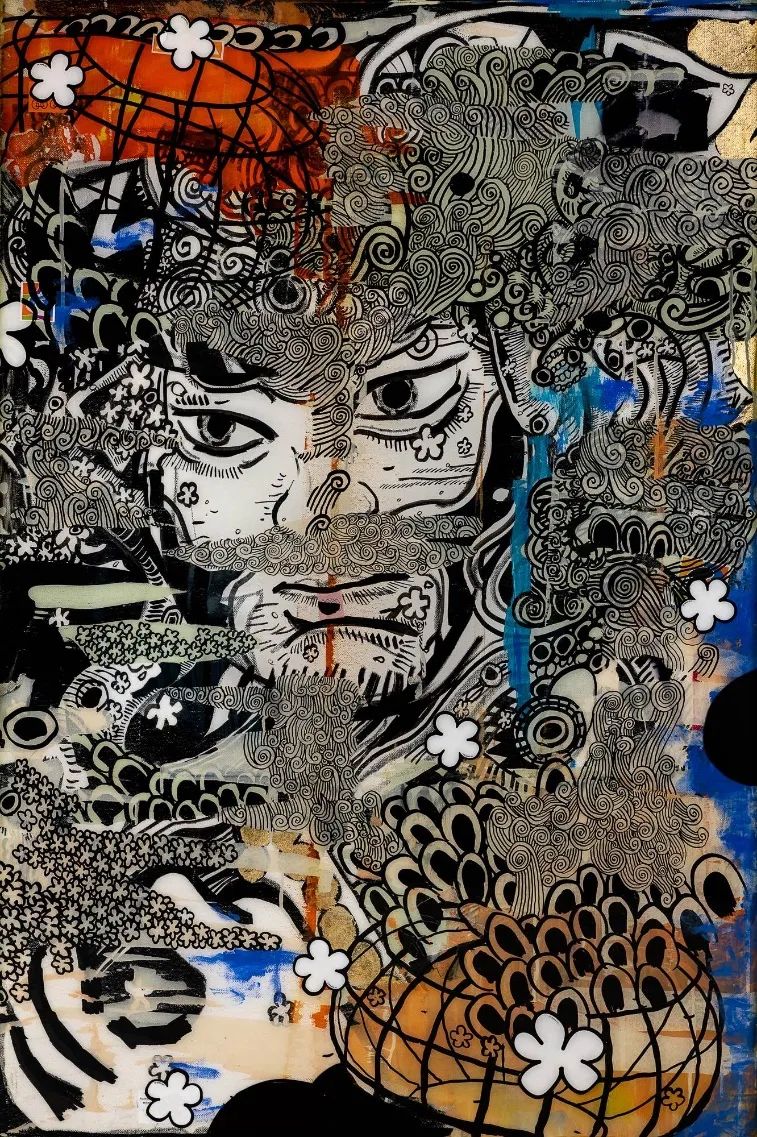
王略(Lve Wang)的作品呈現出對東方美學和神話的現代詮釋,他的創作手法融合了抽象和符號化的形式,將傳統與當代藝術語言巧妙地結合。他的作品經常探討時間、夢境和生命的循環,並用符號來傳遞他對這些主題的深刻反思。
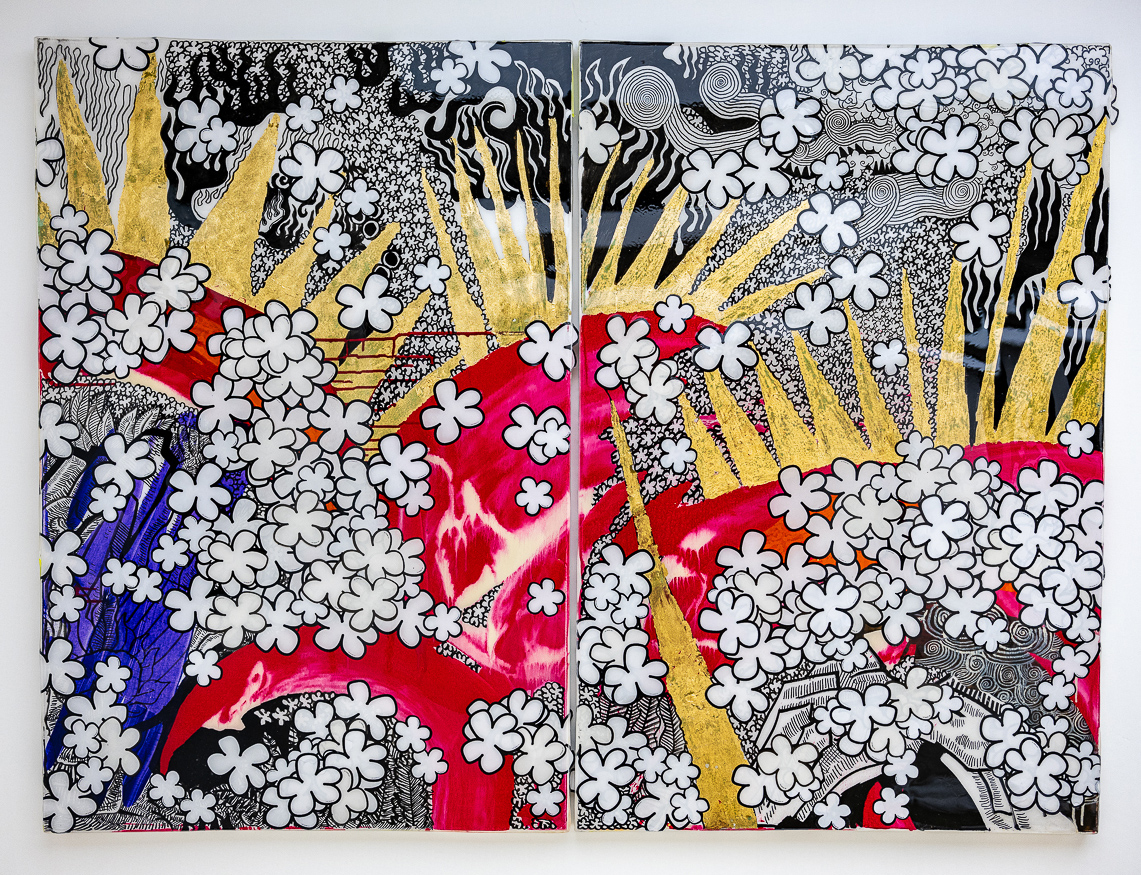
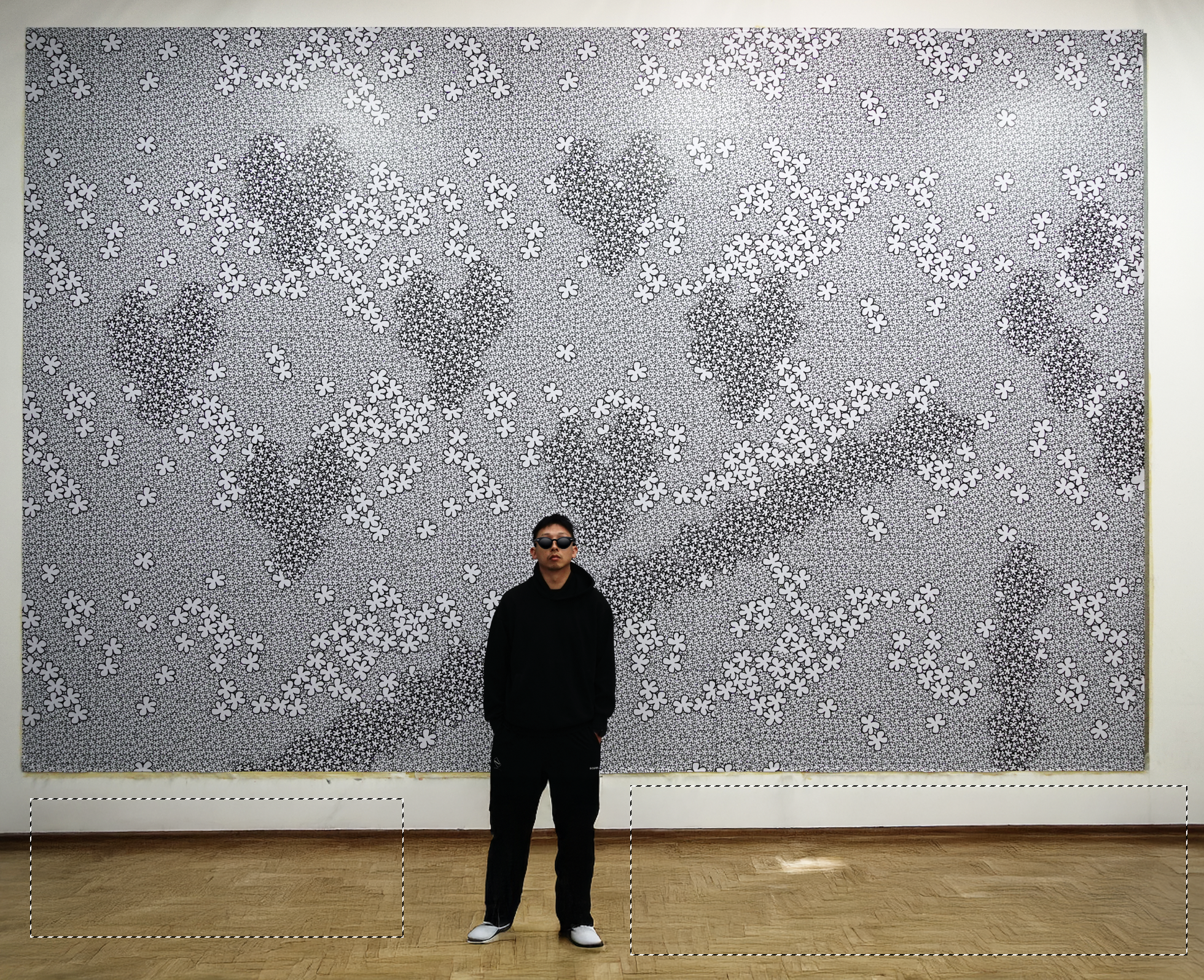
王略的藝術風格充滿層次感,尤其是他對花朵符號的運用,這些簡化成兒童繪畫風格的花朵,反映了他對純粹與幼稚的致敬,同時也揭示了對生命脆弱性與存在的深刻思考。他以反覆堆疊的符號和單一線條來創造平衡,通過實體與虛空的對比,呈現出一種視覺上的張力和內在的動感。這些符號不僅是視覺上的裝飾,更承載著深層的象徵意義,構建了關於人類存在與夢境之間的橋樑。
他在現代技術的運用上也顯得格外前衛。VR和數位互動的引入使得他的作品不僅限於平面,還帶來了全新的觀賞體驗,讓觀眾能夠進入他所構建的夢境和符號世界中。這樣的探索使得他的作品不僅是靜止的畫作,而是動態的、可以進入的藝術體驗。
王略的藝術不僅是對東方神話的再現,更是對現代文化的反思和對未來創作的開放性。他的作品充滿了對傳統與當代文化對話的渴望,並且不斷挑戰觀眾對於藝術與現實之間界限的理解。他的「夢的細胞」系列作品以極具標誌性的符號將觀眾引入一場精神和視覺的迷宮,探索夢境、時間和生命流轉的無限可能性。
總的來說,王略的作品是一種視覺語言的實驗,也是對文化符號深層結構的挖掘,將東西方元素糅合成一個充滿探索與詮釋空間的藝術世界。
Lve Wang’s work presents a modern interpretation of Eastern aesthetics and mythology, blending traditional and contemporary art languages in a nuanced and sophisticated manner. His artistic approach is characterized by abstraction and the use of symbols, with a strong focus on themes such as time, dreams, and the cyclical nature of life. Through his work, Wang engages in profound reflections on these subjects, often imbuing his pieces with layers of meaning that speak to both the fragility and complexity of human existence.
Wang’s artistic style is rich in layers and texture, particularly evident in his use of floral symbols, which are simplified into child-like sketches. These motifs both honor innocence and purity, while simultaneously addressing the fragility of life and the existential questions that come with it. Through the repetition of symbols and the use of simple lines, he creates a visual tension between solidity and emptiness, engaging the viewer in a dialogue that transcends traditional artistic representation. These symbols are not merely ornamental; they are imbued with deep symbolic meaning, constructing a bridge between the realms of human existence and the dreamlike world he creates.
His exploration of modern technology further sets his work apart. By incorporating virtual reality (VR) and digital interaction, Wang transforms his art into more than static paintings—it becomes a dynamic, immersive experience. This innovation allows viewers to step into his world, blurring the lines between art and reality, and offering a new kind of artistic engagement that challenges conventional viewing practices.
Wang’s art is not simply a reimagining of Eastern mythology; it is a reflection on modern culture and an invitation to explore future creative possibilities. His works are deeply dialogic, engaging with both traditional and contemporary cultural narratives. The “Cell of Dreams” series, in particular, immerses the viewer in a visual and spiritual labyrinth, inviting them to explore infinite possibilities surrounding dreams, time, and the passage of life.
In conclusion, Wang’s work is a visual experiment—a profound excavation of the structural layers of cultural symbols, merging Eastern and Western elements into an artistic world full of exploration and interpretation. It challenges the boundaries between art and reality, creating a space that invites ongoing dialogue and a deeper understanding of both personal and collective mythologies.
夢的細胞是我對生命循環與文化記憶的探索,每一層花符號都是時間的沉淀。
Cell of Dreams are my exploration of life’s cycles and cultural memory, with each layer of floral symbols a sediment of time.